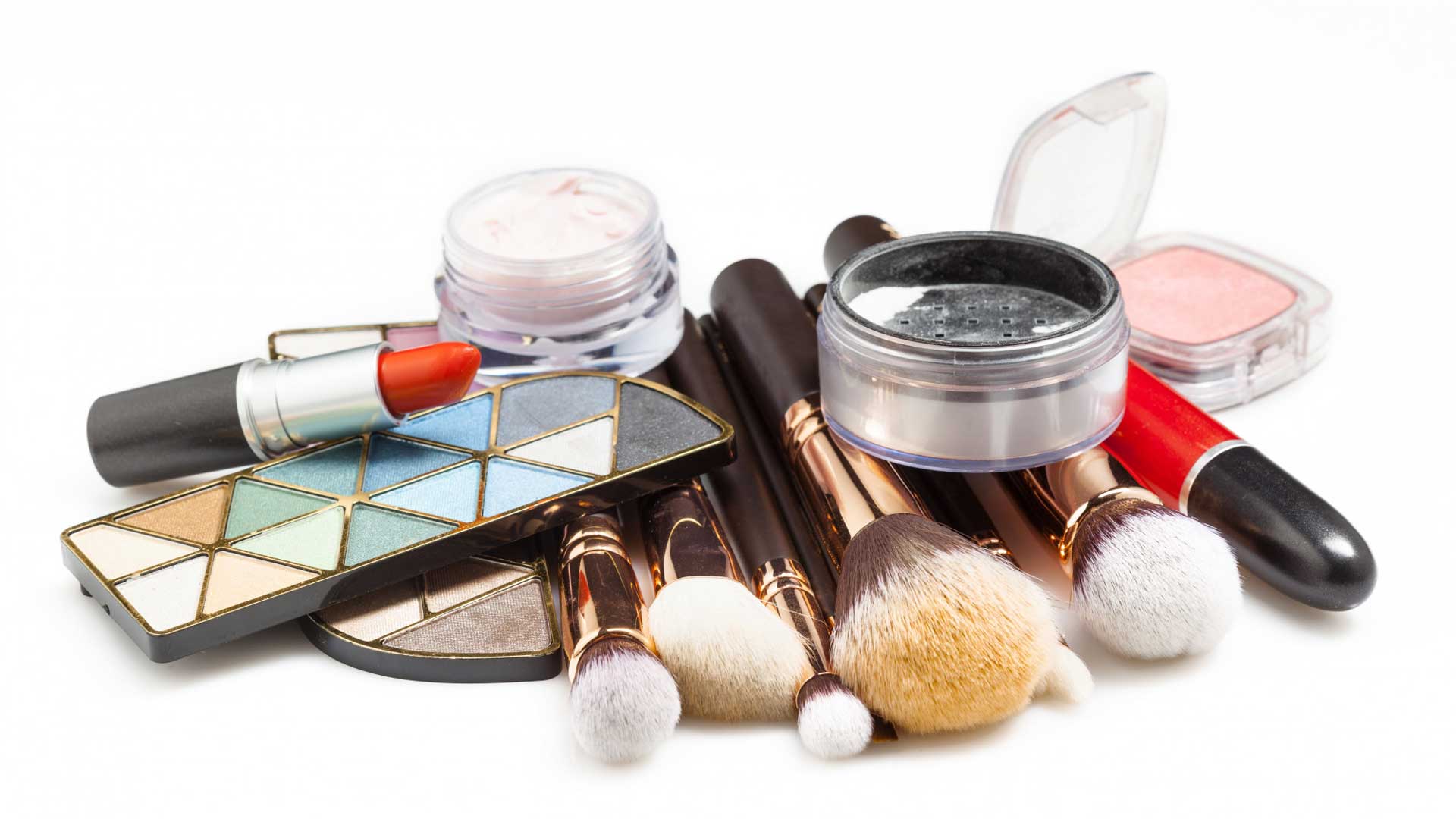
The Evolution of Makeup Trends: A Century of Beauty

Have you ever wondered how makeup came to be? From the ancient Egyptians to modern-day beauty gurus, makeup has been a part of human culture for thousands of years. It’s not just about looking good; it’s a way to express ourselves and even protect our skin. Let’s dive into the colorful history of makeup and see how it has changed over time!
The journey of makeup began in ancient times when Egyptians used natural ingredients like kohl and red ochre to create dramatic looks that symbolized status and offered protection from the sun. Fast forward to the Roman Empire, where people favored lighter skin tones, often using powders to achieve a pale complexion. During the Renaissance, makeup took a backseat as natural beauty was idealized, but by the time Queen Elizabeth I reigned, bright white faces and red lips came back into vogue. The 20th century saw a major shift with the invention of the movie camera—stars like Marilyn Monroe and Audrey Hepburn set the stage for the evolution of makeup trends, influencing everyday fashion with their iconic styles.
Today, makeup continues to evolve with technology and culture, incorporating bold new looks and returning to natural styles too. It’s fascinating to see how what started as a way to show status or protect the skin has blossomed into a diverse world of creativity and self-expression. With each era, people have found new ways to enhance their features and make statements with the stroke of a brush or the swipe of a lipstick. Who knows what the future holds, but one thing is certain—makeup will continue to be an integral part of our lives, reflecting the ever-changing tapestry of human culture.
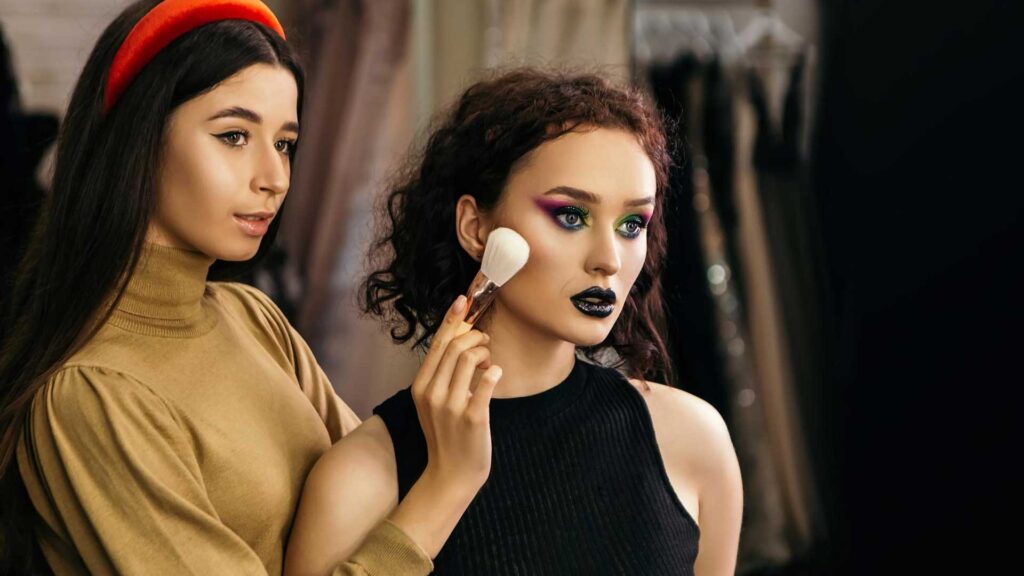
Makeup’s Ancient Beginnings
Kohl: The Eye-Opener of Ancient Egypt
Imagine living thousands of years ago in the hot, sandy lands of Egypt. Here, people discovered an amazing way to make their eyes look big and bold. They used a substance called kohl, creating dark circles around their eyes that were more than just a fashion statement. Egyptians believed kohl had special powers—it could ward off evil and bring good luck. This eye makeup wasn’t just for women; men wore it too, showing that beauty and protection were important for everyone.
Alexander the Great: A Warrior with a Beauty Regimen
Even the mighty Alexander the Great, a king and a warrior, wasn’t shy about using makeup. But he had a practical reason too. While conquering new lands, he wore makeup to protect his skin. Harsh sun and winds could damage the skin, so makeup acted like an early form of sunscreen. Alexander knew that keeping his skin healthy was part of being a strong leader.
China’s Colorful Clues to Royalty
Far away in ancient China, your nails told a story about who you were. Royals would flaunt shiny gold and silver colors on their fingernails, sparkling like precious metals. These bright, eye-catching colors were a clear sign that you were someone very important. Common people, on the other hand, weren’t allowed such luxury. Bright colors were reserved for the elite, ensuring that a simple glance at someone’s hands could reveal their status in society.
Through these glimpses into the past, it’s clear that makeup has always been more than just a way to look good. It’s been a protector, a status symbol, and a part of cultural identity for civilizations across the globe.
Makeup’s Cultural Significance
Throughout history, makeup has been much more than a tool for enhancing beauty. It has played a significant role in cultural identity and social status. For instance, in Japan, the art of makeup is deeply woven into the tradition of geishas. These iconic performers are recognized by their distinctive look, which includes using natural ingredients such as crushed flowers to create a vibrant red lipstick and rice powder to give their skin a porcelain finish. This makeup style does more than make them look beautiful; it’s a symbol of their cultural role and profession.
Similarly, makeup has been used by people around the world to signify their status or role within a community. For example, ancient British warriors had a unique practice of their own. They painted their faces blue before going into battle. The term ‘picts’ actually comes from the Latin word ‘picti’, which translates to ‘the painted ones’. This striking blue paint served to intimidate their enemies and also demonstrated a sense of unity and pride among the warriors.
These historical uses of makeup show us that it’s always been more than just a way to look good. From the geishas of Japan to the painted warriors of Britain, makeup has served as a powerful expression of individual and collective identity. It tells a story about who people are, where they come from, and what they stand for.
So, the next time you swipe on some lipstick or powder your nose, remember that you’re taking part in an ancient practice that has helped define cultures and societies throughout the ages. Makeup isn’t just about the color or the brand; it’s a reflection of history and heritage.
Changing Faces Through the Centuries
Imagine looking at a family photo album that stretches back over a hundred years. You’d see the styles and looks of your great-grandparents, grandparents, and parents change with each turn of the page. Makeup has been a part of this transformation, reflecting not just beauty ideals but also what was happening in the world at the time.
In the early 1900s, having skin as white as snow was all the rage. It was seen as a sign of wealth and elegance because it suggested you weren’t working in the sun all day. But achieving this look came with risks. The makeup used back then wasn’t always safe; it often contained harmful substances like arsenic. Yes, the same poison you hear about in mystery novels! People were willing to take dangerous risks just to look a certain way.
Then came the roaring 1920s, a time when the silver screen began to captivate everyone’s attention. Movie stars became style icons, and their influence reached far beyond Hollywood. Max Factor, a famous name in makeup, began crafting looks that everyone wanted to copy. Dark eyes, thin eyebrows, and cupid’s bow lips became the signature style. The makeup of this era was bold and dramatic, a stark contrast to the previous decade’s quest for paleness.
Even during World War II, when times were tough and resources scarce, the desire to look good didn’t vanish. People got creative with whatever they had. Instead of store-bought lipsticks, which were hard to come by, some would use beetroot to give their lips a splash of color. This era was all about innovation and making do, showing that the spirit of beauty couldn’t be dimmed by hardship.
As you can see, the story of makeup is not just about changing styles; it’s a reflection of history, culture, and ingenuity. From dangerous beauty practices to the clever use of natural ingredients, each era’s makeup trends tell a story about the people of the time and their lives.
Makeup in Modern Times
In the 1960s and 70s, the view on makeup was split. Some believed it was not beneficial, as it seemed to reduce women to mere objects rather than acknowledging their true selves. This perspective sparked a lot of discussions. However, makeup continued to be a popular form of self-expression. It was especially noticeable among celebrities like rock stars during the 1970s, who often wore bold and dramatic makeup. They used vibrant colors and unique styles to stand out and communicate their individuality to fans.
Today, the world of makeup has transformed into a universal tool for expression that transcends gender boundaries. It’s no longer seen as something exclusive to women. Makeup is now a form of artistry and personal expression for anyone who chooses to use it. Boys, girls, and people of all gender identities can use makeup to reflect their inner selves on the outside. The modern makeup scene is inclusive and celebrates diversity. From subtle enhancements to daring transformations, makeup allows people to explore and present their identities confidently.
Furthermore, makeup has become more accessible than ever. With tutorials available on platforms like YouTube, and makeup products available in a wide range of shades and formulas, everyone can find something that works for them. Whether it’s a simple lip gloss to brighten the day or a full-face look for a special event, makeup is a way to add a bit of personal flair to everyday life. It’s all about creativity, fun, and feeling good in your own skin—no matter who you are.
So, while makeup has had its ups and downs in public opinion, its journey shows us that it’s much more than just a way to look a certain way. It’s a powerful form of self-expression that has grown to be inclusive and empowering for all. As we continue to break down barriers, makeup remains a beautiful way to showcase our unique personalities and stories.
Makeup: A Tool for Self-Expression
So, what have we learned? Makeup is more than just colors and creams; it’s a part of history and culture. It’s a way to protect our skin, show our status, and tell the world about ourselves. And the best part? Today, anyone can use makeup to express themselves, and there are no rules about who can wear what. Makeup is all about having fun and being yourself!